An On the wire story
Over 100,000 UK homes created from former commercial premises could become uninhabitable due to overheating risks, as rising temperatures outpace current regulations and building standards.
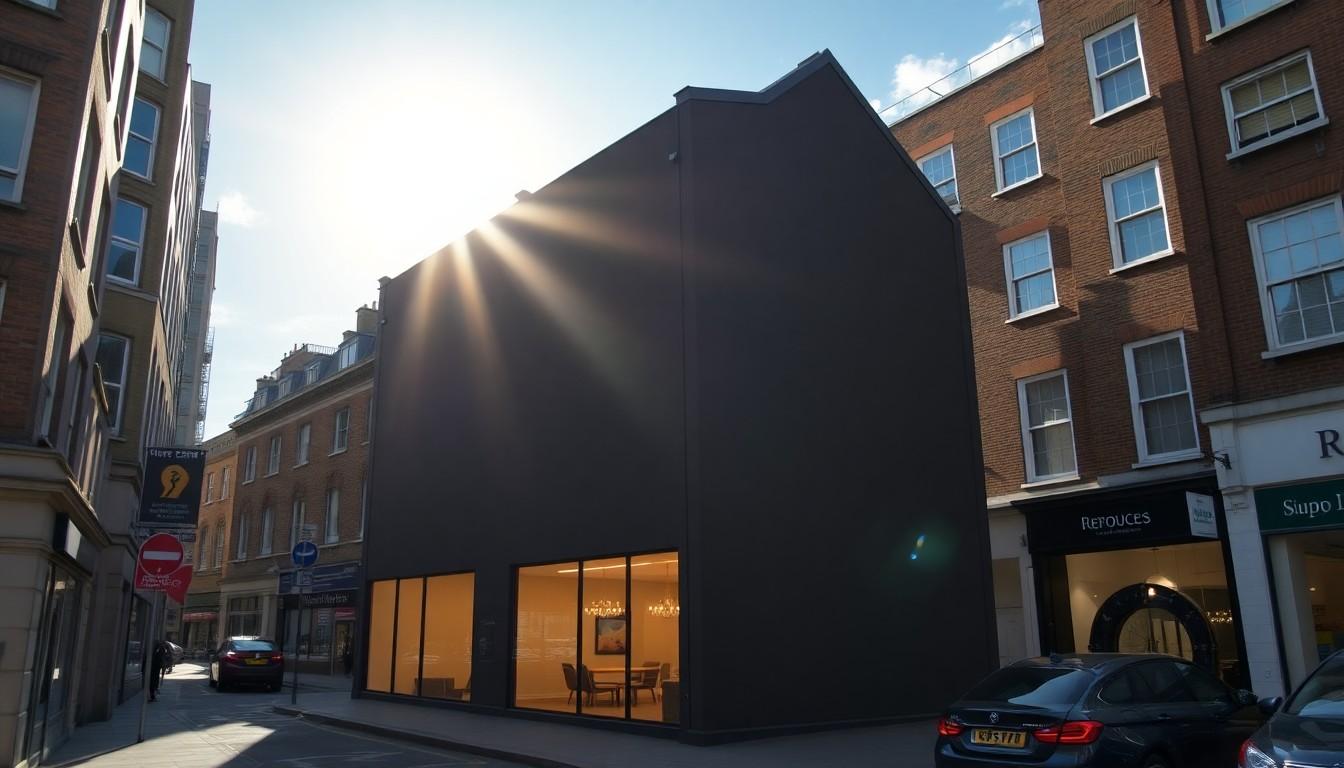
More than 100,000 homes created from former commercial premises could struggle to remain fit for purpose as UK summers get hotter, according to Zurich UK, which says the pace of office-to-residential conversion has outstripped the sector’s ability to manage heat risk. Drawing on government planning data, the insurer said 103,421 former commercial buildings had been turned into homes over the past decade, while applications for such conversions rose by 58% in just three years as businesses reduced office space.
The concern is not simply that these properties are newer or smaller than traditional housing, but that they were often never designed for round-the-clock occupation. Zurich said many converted flats suffer from weak ventilation, sealed windows, limited shading and large areas of glass that can trap heat, while some have services and plumbing fitted retrospectively in ways that add further strain. The company also pointed to a regulatory gap: unlike new-build homes, many conversions are outside the scope of current overheating standards.
That gap is significant at a time when heat records are being broken more often. The UK has already registered its hottest May since 1922 this year, and the hottest June day on record was set on Tuesday, with forecasters warning it could be surpassed again. Research cited by the Town and Country Planning Association and UCL’s Bartlett School of Planning found nearly half of residents in deregulated permitted development conversions reported overheating in summer, while government guidance on overheating applies only to new residential buildings, not existing structures changing use.
Zurich’s head of large and complex property claims, Megan Dunford, said the risks extend beyond discomfort in isolated heatwaves. She argued that more sustained periods of high temperature can place stress on building fabric, raising the likelihood of cracking, subsidence and water escape incidents, as well as driving up maintenance bills and lowering living standards. The warning lands alongside broader climate research suggesting that half of UK homes are already vulnerable to overheating, with that proportion projected to rise sharply under higher warming scenarios, and with the Climate Change Committee estimating a steep increase in heat-related deaths by the 2050s.
Source references
Inspired by headline at: Mortgage Finance Gazette [1]
Sources by paragraph:
– Paragraph 1: [2]
– Paragraph 2: [2], [5]
– Paragraph 3: [3], [4], [1]
– Paragraph 4: [1], [3], [4]
• This On the wire article was created using Noahwire AI and reviewed by CIBSE Journal’s editorial team