
Serra Ardor 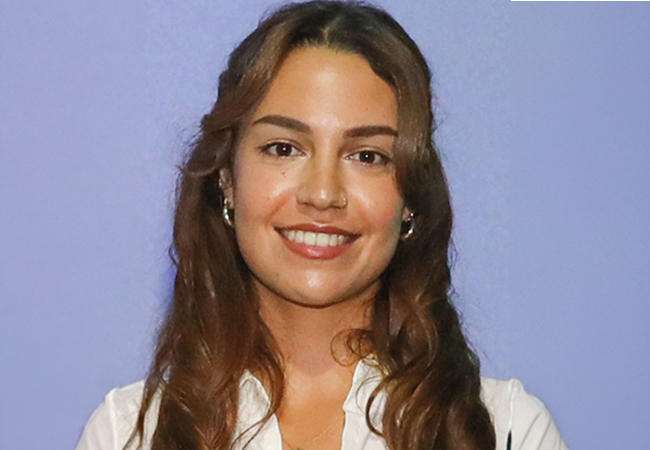
As AI transforms the built environment, human-centred design and social equity must remain at its core. That powerful message earned Serra Ardor first place at the 2026 CIBSE ASHRAE Graduate of the Year Awards (see page 22). Ardor was among 10 finalists who presented on the topic ‘How should building services engineers evolve to actively shape AI’s impact on ensuring a truly sustainable future?’
A junior building physics and sustainability consultant at architect HTA, Ardor’s speech focused on building performance and how important it is to ensure occupant experience feeds back into future design. Alongside her project work, she is engaged in the wider industry through her involvement with the CIBSE Young Engineers Network and ENGRL: Girls in Engineering.
The real value comes from knowing when AI can genuinely add something
What went through your mind when you won the award?
I felt incredibly proud. Delivering a presentation with confidence, despite the nerves, to a room full of professionals was a big personal challenge, so to receive this recognition made the experience even more rewarding. It’s a reminder of how worthwhile it can be to push yourself outside your comfort zone. I’m really excited about the opportunities this might bring, starting with the ASHRAE Winter Conference in Chicago. I’d encourage anyone considering something similar to give it a go – you might surprise yourself!
In what ways is AI reshaping your day-to-day work?
I see AI as another tool in our increasingly varied engineering toolkit, rather than something that changes how I approach my work. Much of my day-to-day work still involves applying my technical knowledge, whether that’s through modelling, interpreting results or advancing sustainable design solutions. The real value comes from knowing when AI can genuinely add something, rather than using it simply because it’s available. It’s there to support our work, not replace the understanding and judgement behind it.
Do you regard AI more as a threat or an opportunity?
I see AI as an opportunity, but it’s up to us to make sure it doesn’t become a threat. One of its biggest advantages is how it can broaden our capabilities. However, it doesn’t remove the need to understand what we’re doing. I’m particularly conscious of this for younger professionals. It’s important that we continue developing the fundamental knowledge and critical thinking skills that allow us to question results, recognise errors and make informed decisions.
Which strategies help engineers design for diversity?
For me, it starts with human-centred design: putting the people who will actually use the building at the centre of our decisions. One valuable approach is learning from lived experience. Post-occupancy evaluation, combining measured performance data with direct feedback from occupants, can help us understand where designs work well and where they fall short. By learning from real experiences, we can design buildings that work better for people.
How can engineers serve as agents of social equity?
We have a responsibility to advocate for people, particularly those whose needs might otherwise be overlooked. Sustainability shouldn’t be a luxury. We can contribute by engaging with different communities, understanding the barriers they face, and using our skills and resources to help overcome them. Social equity shouldn’t be treated as something separate from engineering. It should be part of how we define a successful design in the first place.
How can graduates thrive in an AI world?
My advice would be to embrace the opportunities of AI, but never underestimate the value of your own judgement. Be curious and experiment while developing an understanding of the principles behind your work. Engineering is about people. AI can support our analyses, but it cannot replace human empathy, creativity or responsibility. The engineers who thrive won’t necessarily be those who use AI the most, but those who know how to use it thoughtfully and critically.
Read Serra Ardor’s article ‘Cooling for the vulnerable’ in CIBSE Journal July/August 2026 here