
Sharing lessons learned on real-life projects is one of the best ways to pass on technical knowledge. Last month, CIBSE’s Australia and New Zealand (ANZ) Region did just that in its seminar ‘Lessons learnt the hard way’. The hybrid event featured six experts and we asked four of them about the barriers they saw to high-performing buildings.
Hannah Blossom, director of sustainability at Cundall in Melbourne
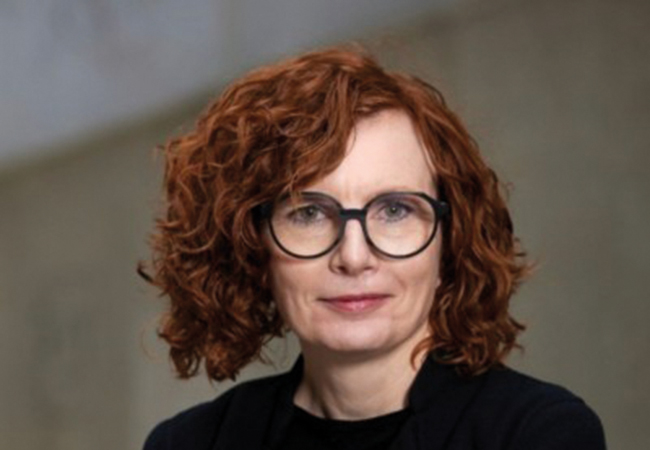
Where do high-ambition net zero targets collide with building performance during project delivery?
Many projects set ambitious net zero goals, but business cases are still driven by traditional measures of cost and programme. Unless carbon outcomes are embedded from the outset, they are often treated as aspirations.
This is evident in retrofits. We know how to decarbonise existing buildings, but these measures can be difficult to justify within available budgets.
Regulatory requirements can also create barriers where major upgrades trigger expectations of full compliance that may be unachievable.
More pragmatic regulatory and investment frameworks that reward substantial emissions reductions could unlock far greater decarbonisation.
Mark Davie MCIBSE, buildings mechanical practice leader, WA & NT at Aurecon
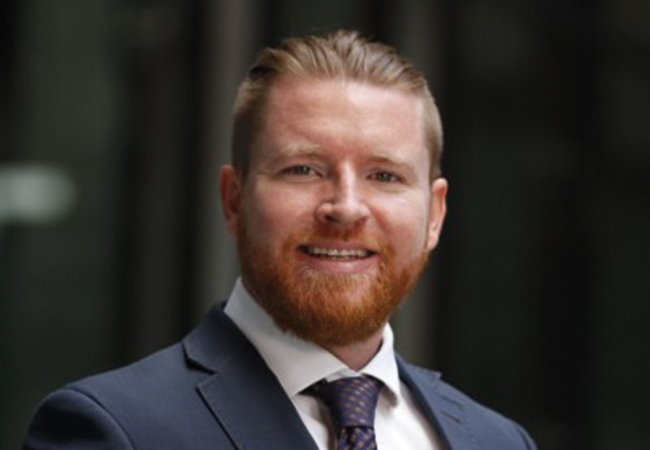
What systemic barrier in the building services culture makes engineers hesitant to share operational mistakes, and how can this be overcome?
The biggest barrier is the fear that admitting mistakes will damage your career. We need to shift from asking ‘Who is responsible?’ to ‘What happened, and what can be learned?’
We need to create a space in which people feel safe to speak up, challenge decisions and share what went wrong. That is how we turn individual mistakes into collective learning.
Chris Arkins FCIBSE, director at Steensen Varming
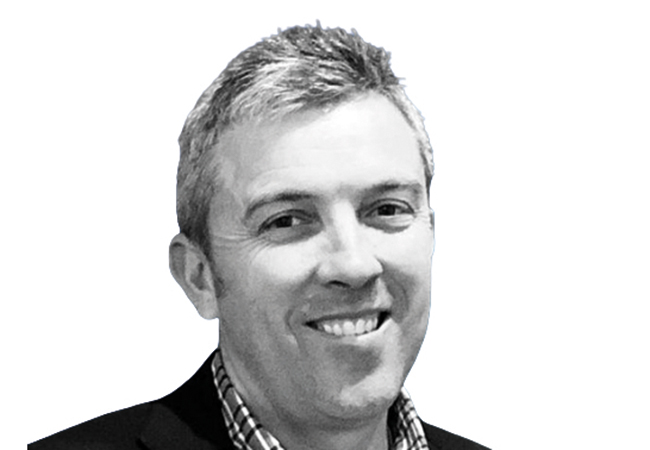
What is the most common reason you encounter for operational failure?
Many operational challenges arise from a disconnect between stakeholder expectations, operational requirements and how the facility is ultimately commissioned, and later maintained.
Engineers need to bring an expertise that extends beyond their own discipline. Equally important is commissioning, which should be planned from the outset of a project.
The best results come from understanding the building, the people and the institution.
Steve Hennessy FCIBSE, consultant at WT Partnership; co-author of The Soft Landings framework Australia and New Zealand
If a consultant changes only one habit on their next handover after hearing your talk, what should it be?
Too often, we assume that, as designers, we know the right answer. The Soft Landings framework encourages a different mindset: curiosity over certainty. What did we do, what can we learn and what can we do better?
Real improvement comes from challenging our assumptions. Listening to those who live with the outcomes of our decisions is not always easy, but acting on what we hear is one of the most powerful ways to deliver better results.
For more information: www.cibse.org/anz