Inspecting dampers
It is hard to believe that it is nearly a decade since the Grenfell tragedy. While the families and friends affected by this terrible (and largely avoidable) disaster still await justice, we can at least hope that a similar incident will be averted by the tightening of legislation around building safety.
In higher-risk buildings (HRBs), such as multi-storey apartment blocks taller than 18 metres, the Building Safety Act requires that fire safety information forms part of the ‘golden thread’ – the digital record of information needed for the safe design, construction and operation of HRBs. Record-keeping is essential to demonstrate compliance and provide information continuity.
The hidden safeguard
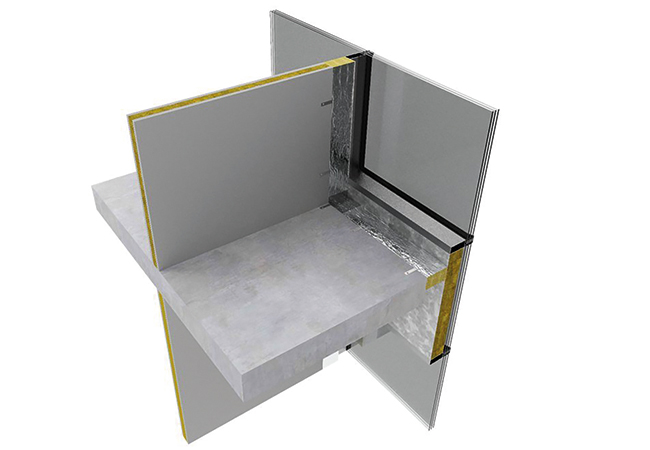
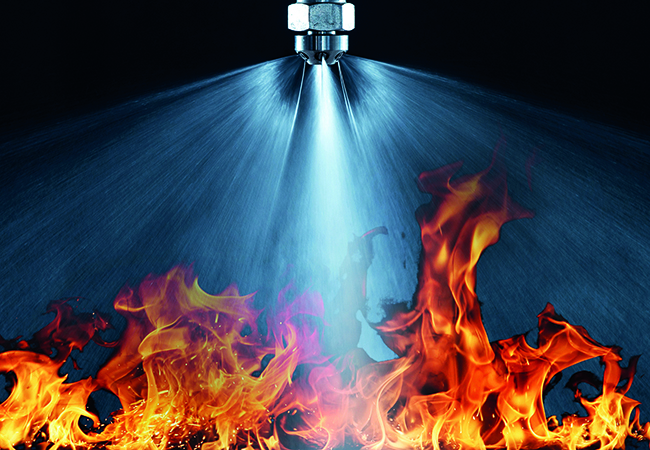
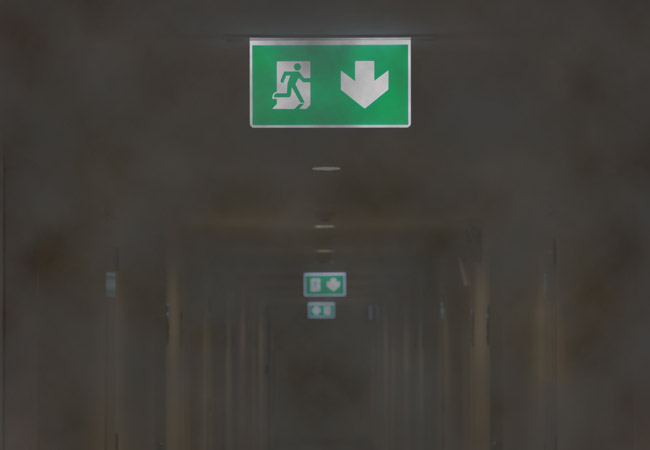
Fire dampers are a crucial part of the golden thread. Where ductwork passes through fire-resisting walls, floors and partitions, dampers are there to preserve compartmentation and slow the spread of fire and smoke through ventilation systems. If dampers are incorrectly installed, inaccessible or poorly maintained, the fire strategy can be quickly compromised.
To help buildings better meet the Building Safety Act and keep occupants safe, BESA’s guidance on the installation of fire dampers, DW145, underwent an overhaul in 2024/25.
The new edition reflects the post-Grenfell fire safety environment, raising the standard for technical competence and evidence-based compliance across the project life-cycle. Basics for compliance with DW145 include:
- Knowing how many fire/smoke control dampers there are in a building
- Ensuring all dampers are accessible
- Annual inspection and testing
- Up-to-date records, including reliable drawings, a damper register and photographic evidence.
These may seem like reasonable criteria, but BESA figures indicate that fewer than 1% of buildings comply with these fundamentals, while 70% of fire dampers fail on first inspection, putting millions of people at risk potentially.
The problem is that, in many existing buildings, fire dampers are broken, hidden, inaccessible, forgotten, and lacking the documentation necessary to ensure proper servicing and operation.
DW145 compliance begins with a fire-strategy document, with requirements for fire barriers, drawings of fire compartments where ducts breach barriers and the location of dampers. The latest guidance clarifies the vital importance of penetration seals to fire-stopping integrity, and stresses the need to design systems that allow easy access for maintenance.
In the fire strategy, servicing and testing schedules must be specific to damper asset references for wall types, classifications and installation methods. But as the BESA statistics suggest, this record is frequently not present, so installation knowledge is often lacking.
DW145 details four stages to inspection and testing, depending on circumstances. A new installation, complete with fire strategy documents, is subject to Type 1 – handover/first verification, checking the dampers have been installed as the manufacturer intended. Baseline information must be captured at this stage, including location, photos and initial test evidence.
After 12 months, a Type 2 post-completion check confirms that everything is as it was at handover.
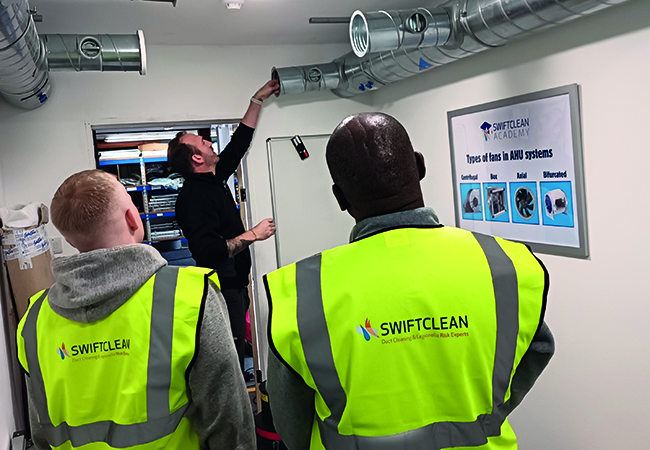
For existing buildings, a Type 3 inspection is designed to ‘find and verify’ dampers that may not be on drawings, check the installation, assess penetration seals and function test.
Type 4 refers to planned periodic testing and an ongoing programme to ensure dampers are still working. BS 9999 suggests testing and inspection at regular intervals not exceeding 12 months. We recommend a risk-based approach, with intervals dependent on individual fire potential and occupancy.
The time for cutting corners is over. We all have a responsibility to safeguard occupants and, as Grenfell sadly proved, when money and a disregard for compliance are the driving forces, the absolute worst can happen.
FURTHER RESOURCES
Swift Fire Compliance and BESA training
DW145 Installation and maintenance of fire dampers: a guide to good practice, BESA
About the author
Richard Crews is compliance manager at Swift Fire Compliance