
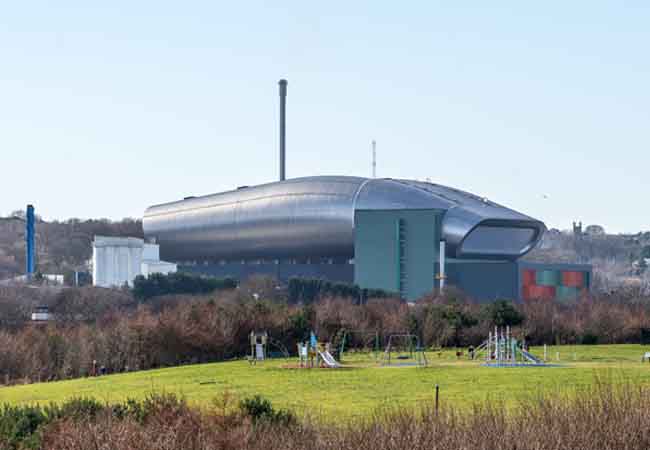
The NESS Energy from Waste plant generates heat for a district heating network near Aberdeen
An On the wire story
The UK could accelerate the decarbonisation of heating by making far better use of waste heat already being produced by industry and infrastructure, according to a new report from Energy Systems Nexus.
The study says nearly 4,780 recoverable heat sources sit within 1 km of existing heat network zones, yet remain unused, ranging from data centres and factories to nuclear sites and energy-from-waste plants.
Heat networks, which move hot water through pipes from a central source to multiple buildings, are already seen as a key part of the transition away from fossil fuel heating.
According to Energy Systems Nexus, they currently supply around 3% of the UK’s heat demand. Government projections set out in its market framework for heat networks suggest that share could rise to 7% by 2035 and 20% by 2050, underlining the scale of ambition now attached to the sector.
The report argues that recoverable heat could reduce operating costs for network operators by providing cheaper, and in some cases effectively free, supply. Those savings could then feed through to customers, while also strengthening resilience by diversifying the heat mix.
But the authors say the market is still held back by weak data, high infrastructure costs, limited incentives and poorly co-ordinated policy and connection planning.
Chetan Lad, E.ON UK’s head of UK strategy, said: ‘The technology to recover waste heat is already proven, and E.ON is delivering it at scale across Europe.’
He added: ‘The real opportunity now is to create the right commercial conditions in the UK. It’s about who pays, where the risk sits, and whether there’s a sound business case at the end of it. Continued government support will be important to build market confidence. Alongside this, better data on where recoverable heat is available would help the whole industry, and contracts need to reflect the source.’
To unlock investment, the report calls for clearer rules on the value of heat recovery, more flexible contracting and better quality data. Among its recommendations are stronger recognition of heat recovery in procurement decisions, a dedicated carbon reporting body, wider coverage for the UK Emissions Trading System and continued support through the Green Heat Network Fund.
It also suggests using the National Wealth Fund to help de-risk construction and creating standard contract templates to cut legal complexity. A live open-data platform, it says, would help match supply and demand earlier, with heat recovery assessments built into planning for larger projects.
References
Main reference: [1]
• This On the wire article was created using Noahwire AI and reviewed by CIBSE Journal’s editorial team