
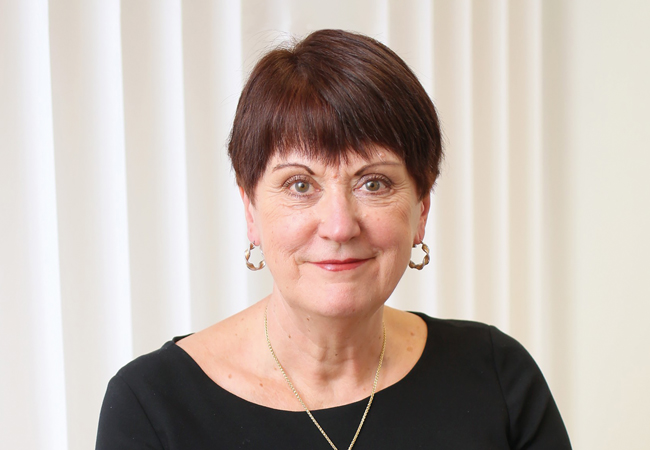
Overall shortfalls in housing delivery cannot be blamed on delays by vetting of high-risk high-rise buildings (HRBs) by the Building Safety Regulator (BSR), Dame Judith Hackitt told peers.
Giving evidence to the House of Lords Built Environment Committee, the chair of the post-Grenfell building safety inquiry was asked if wider doubts about government housing targets might increase political pressure on the BSR. She replied that the regulator must be ‘bolder in defending itself’.
Hackitt said the 30,000 homes currently paused in the BSR’s Gateway 2 process form only a fraction of the government’s target of 1.5m homes, adding: ‘There are other factors at play.’ She noted that some applications continue to fail because of ‘pretty basic stuff’ that applicants should be able to provide.
Reflecting on the pace of change, Hackitt said she initially expected her recommendations to take ‘five to six years’ to implement, but progress had taken longer. However, she said that the reforms were now in place, describing them as a ‘big change in culture and a shift
in responsibility’.
Her comments came as the Construction Leadership Council (CLC) published guidance aimed at speeding up Gateway 2 approvals for new HRBs. The package sets out baseline principles and practical recommendations to help applicants prepare submissions.
Karl Whiteman, Berkeley Group divisional chairman and CLC building safety sponsor, said the guidance would ‘ensure the regulator can approve submissions swiftly and consistently, and enable the sector to increase the delivery of safe and high-quality homes’.
While the BSR no longer sits under the HSE, Tim Galloway, deputy director at the HSE, said: ‘Applications that clearly demonstrate compliance are approved faster, and everyone in BSR wants those designs and plans off the page and on to site as quickly as possible.’