Credit: iStock Urban78
An On the wire story
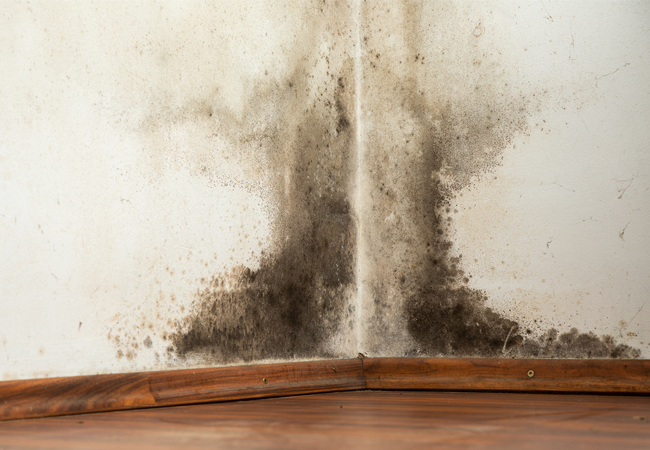
Social housing tenants in England are set to gain stronger protections this autumn, as the second phase of Awaab’s Law comes into force on 30 November 2026. The move expands the duties on landlords beyond damp and mould, after the first part of the law was introduced in October 2025 in response to the death of two-year-old Awaab Ishak, who died after prolonged exposure to mould in his home.
According to the UK government, the new rules will require social landlords to act more quickly on seven categories of serious hazard: electrical faults, risks of falling, structural defects, excess cold and heat, fire risks and hygiene problems such as pest infestations, drainage failures and sanitation issues.
Landlords will have to investigate many of these complaints within 10 working days and make homes safe within 15 working days, part of a wider effort to ensure hazards are dealt with before they can cause lasting harm.
The government says the changes are aimed at risks that can be especially dangerous for children, older tenants and people living with disabilities or health conditions.
Awaab’s Law is intended to shift the culture in social housing from slow response and repeated complaint to prompt inspection, repair and accountability, with the latest guidance also setting out how landlords should triage hazards and decide which cases need the fastest action.
The Chartered Institute of Housing welcomed the extension, with chief executive Gavin Smart describing it as an important step towards safer and healthier homes. The National Housing Federation also backed the publication of guidance, saying housing associations needed clarity and time to prepare.
Industry commentators have noted that the reforms apply first to social housing, while the Renters’ Rights Act is expected to extend Awaab’s Law into the private rented sector later, broadening the pressure on landlords across the housing market.
Inspired by headline at Birmingham Mail [1]
Sources by paragraph:
- Paragraph 1: [2], [7]
- Paragraph 2: [2], [3], [4], [5]
- Paragraph 3: [3], [4], [7]
- Paragraph 4: [1], [6], [7]
• This On the wire article was created using Noahwire AI and reviewed by CIBSE Journal’s editorial team