

The 2026 update of TM39 has downloadable examples of how to document metering
The updated TM39: Building metering and monitoring helps organisations install and use meters to understand, manage and optimise their energy use with clarity and confidence.
The new technical memorandum (TM) has been written for clients, managing agents, building services professionals, energy managers, facilities managers, and anyone else involved in metering. More than 100 industry professionals contributed to the development of TM39 (2026), and our goal was to devise good-practice metering guidance that would be applicable to most people, in most building types, most of the time.
If you are using TM39 to demonstrate compliance with Part L Conservation of fuel and power, then Part L is signposted throughout, with more specific guidance provided in an appendix.
Since the previous edition was published in 2009, the landscape of metering, data and digital building management has transformed. The new TM39 responds to this shift, offering an enhanced framework for developing a metering strategy that aligns technical requirements with the needs of key stakeholders – from building owners and operators to tenants and facilities teams.
This updated guidance places strong emphasis on collaboration, clarity of roles and practical decision-making, so that metering systems are not only technically sound, but also operationally effective. In addition to gas and electricity meters, the 2026 update includes good-practice guidance for thermal, water and steam meters.
TM39 (2026) offers downloadable examples of how to document metering, including marked-up drawings showing meter locations, schedules and commissioning records. This forms part of the ‘golden thread’ of meter documentation that is developed and passed on from designers and project engineers to the operations team.
This update offers expanded guidance on meter specification, including hardware selection and sizing, plus tables showing advantages and disadvantages, to help practitioners make informed choices when selecting meters.
There are further sections on meter accuracy classes, including a discussion about Measuring Instruments Directive-approved meters, as well as onboard metering/monitoring – which is integrated into equipment by the manufacturer – and the use of clamp-on temporary metering, particularly for measuring existing load for end-of-life equipment, so that equipment replacements can be sized accurately.
A major new section focuses on meter communications – an area that has evolved dramatically since 2009. This updated guidance will prove useful to clients and designers engaging with a metering comms specialist.
We had multiple comms specialists join the TM39 working groups that contributed to this update. They highlighted that it is not unusual to encounter a project for which the mechanical designers have specified meters with a Modbus protocol and the electrical designers have specified meters with an M-Bus protocol.
TM39 (2026) encourages collaborative working within the project team, including early coordination with the metering specialists working downstream, to avoid the pitfalls that can occur when each discipline works in isolation.
TM39 now provides guidance on selecting a meter comms system, such as a traditional onsite building management system-based communication architecture or a modern cloud-based digital platform, outlining key considerations to help determine the best approach for a particular project.
Practicality is at the heart of this new edition. The updated TM39 includes troubleshooting guidance for common metering installation issues, helping teams avoid pitfalls that can compromise data quality or system performance. New meter commissioning checklists – downloadable and fully customisable – support consistent, high-quality delivery across projects of all scales. These resources are designed to be used in the field, making TM39 (2026) not just a reference document, but a working tool to deliver good-quality metering data.
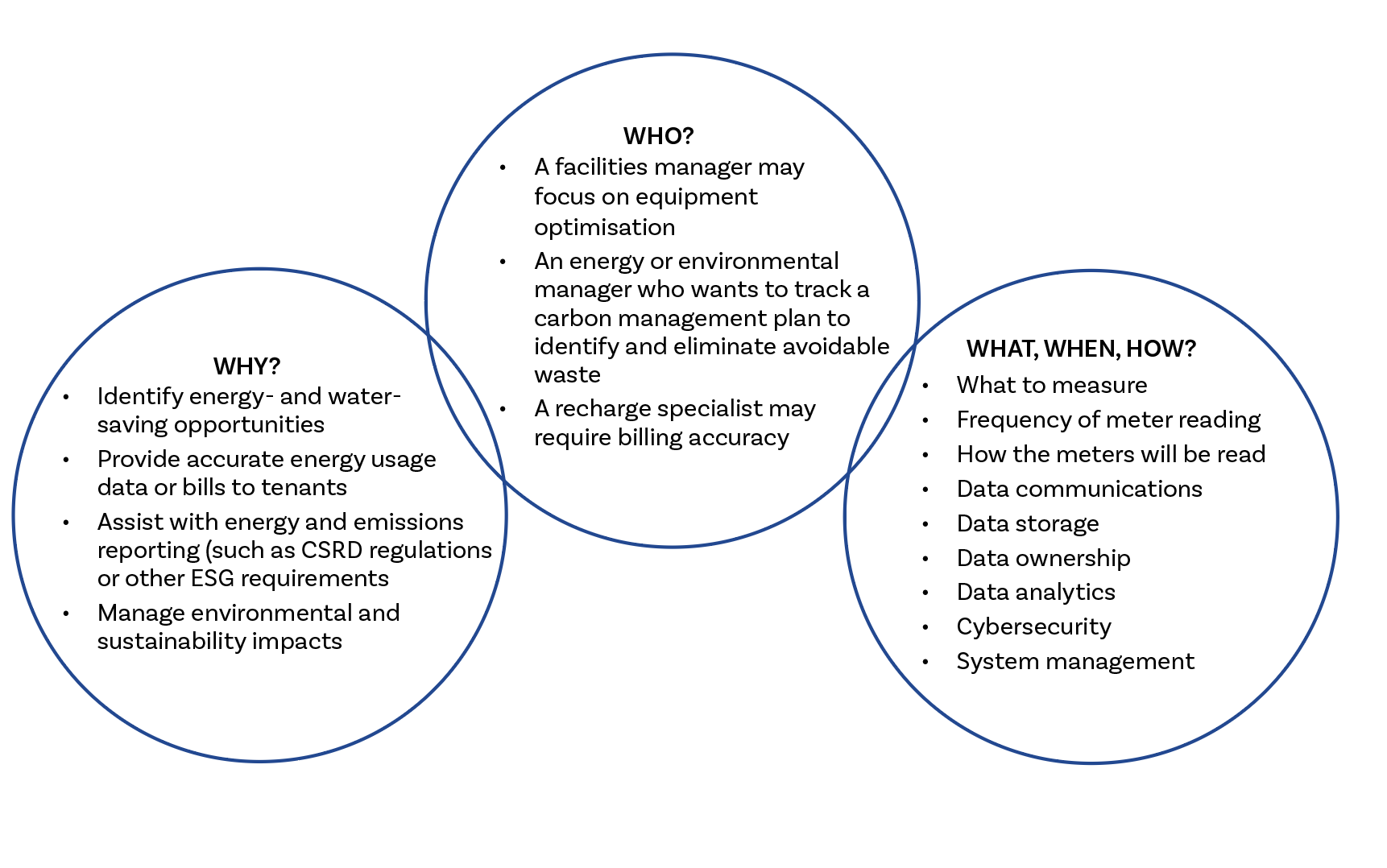
Figure 1: Questions to identify factors contributing to a metering strategy (from TM69)
This is followed by a section on data validation, which is paramount to verify data quality as it is transferred to the data-collection system. This includes guidance and troubleshooting tips for reconciling submeter data with the main utility meters, transferring data from meters to data-collection systems, storing and displaying meter data, and addressing cybersecurity issues that arise when meters export data off site.
Data analytics, dashboards and user engagement also feature in the new edition. As buildings generate increasing volumes of data, TM39 now provides guidance on how to interpret, visualise and act on that information to support energy efficiency, compliance with mandatory and voluntary reporting schemes, and operational/asset monitoring and improvement.
TM39 (2026) offers good-practice minimum requirements for data visualisation, to assist clients, designers and facilities managers to develop effective tools that encourage building users to understand energy use and how their behaviour within the building can influence energy savings.
The expanded appendices offer detailed advice on: using TM39 for Part L compliance; metering pitfalls to avoid; suggested metering for mixed-use developments; considerations for tenant billing; metering guidance for lifts and escalators; thermal metering for ambient loop systems; ground source heat pump system performance monitoring; how embedded manufacturing controls can affect system design and performance; metering in disturbed electrical environments; and metering to export electricity for sale to the Grid.
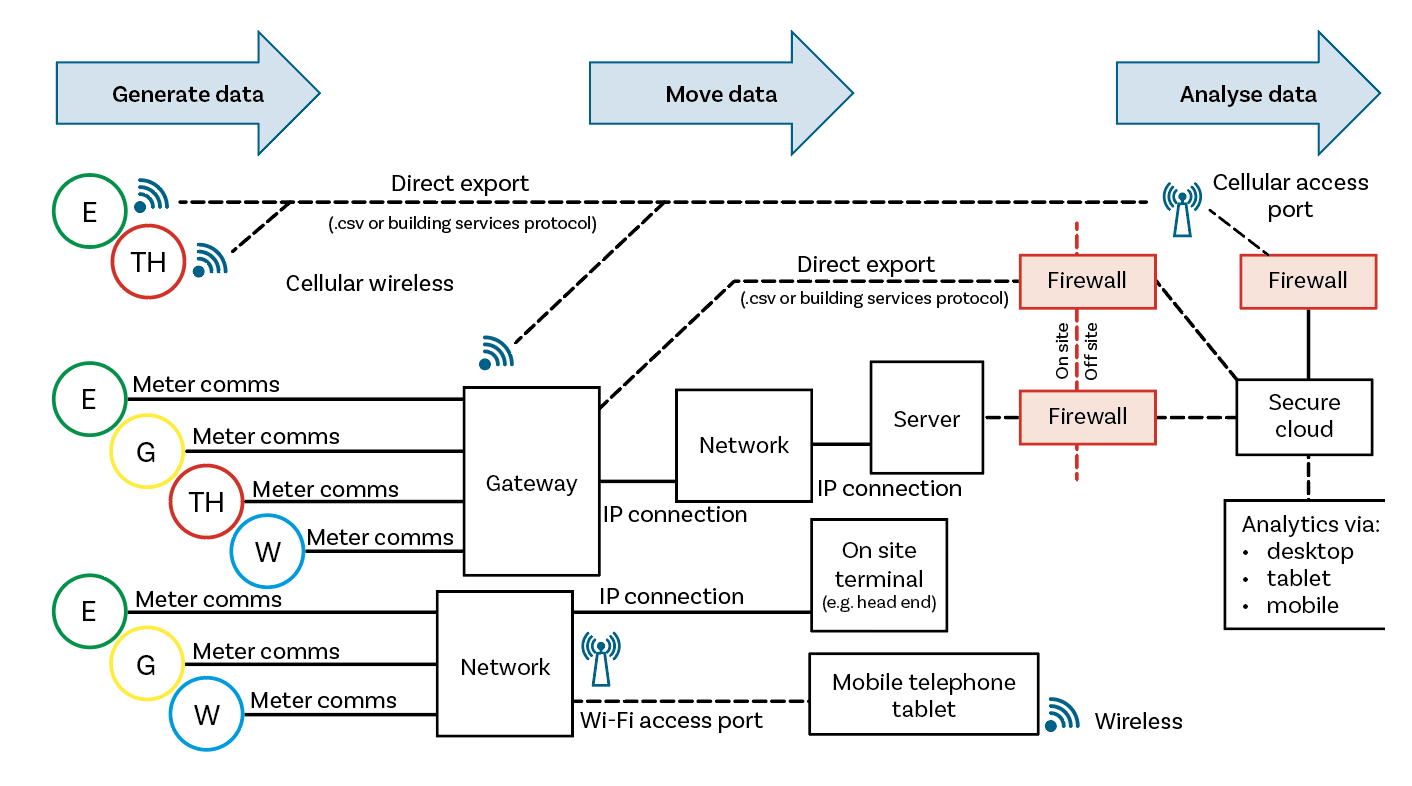
Figure 2: Examples of possible data journeys (from TM39)
New case studies highlight best practice in metering and monitoring across a range of building types and technologies, including: thermal metering and system performance monitoring for heat pump systems; the combined effect of out-of-hours baseload reduction; PV generation and battery storage systems on a university campus; and a comprehensive look at ‘lessons learned’ from submetering across hundreds of operational buildings, many of which have been monitored over the course of a decade.
These real-world examples show how effective metering strategies can unlock energy savings, improve operational performance and support sustainability goals.
ABOUT THE AUTHOR
Ellen Salazar is head of building services engineering at CIBSE
TM39 will be launched at an event on 25 June at CIBSE head office and is is available on the CIBSE Knowledge Portal here CIBSE is also developing a TM39 training course here
For engineers wishing to further demonstrate their metering experience, CIBSE is launching a ‘metering specialist’ register for those passing an exam to demonstrate a broad multidisciplinary understanding of successful metering, along with competence in the TM39 method to develop and deliver good-practice metering systems.